Working with LGBTQ Parents
Feb 15, 2026
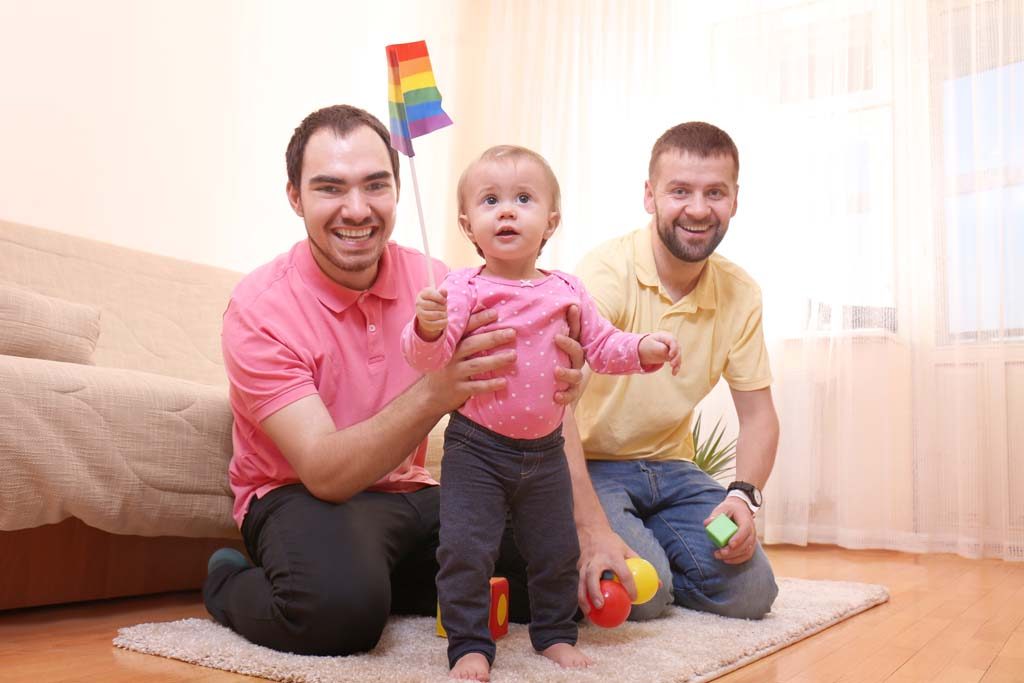
Many LGBTQ people become parents through adoption, insemination, pregnancy, stepchildren and/or fostering children. Be aware that your language around parents; “Mom” or “Dad” may not always apply. Be sensitive when referring to partners/ support people and ask for clarification if you want to know the terminology they’re comfortable with.
Transgender Terminology to be Aware Of
Gender identity: A person’s internal, deeply held sense of their gender. For transgender people, their own internal gender identity does not match the genitals they were born with.
Non-binary identity: This term is used by some people who experience their gender identity and/or gender expression as falling outside the categories of man and woman. They may define their gender as fluid, or they may define it as wholly different from these terms.
Sexual orientation: Describes a person’s enduring physical, romantic, and/or emotional attraction to another person or people. Gender identity and sexual orientation are not the same.
Gender expression: External manifestations of gender, expressed through a person’s name, pronouns, clothing, haircut, behavior, voice, and/or body characteristics. Society identifies these cues as masculine and feminine, although what is considered masculine or feminine changes over time and varies by culture.
Gendered language: As educators, we must understand how our everyday language can make inaccurate assumptions about gender, gender stereotypes, and roles people play within their families. Be aware that birth and parenting education is full of gendered language. For example: Mom, Dad, pregnant woman, breastfeeding woman, always using “she” when describing caregivers, and “he” for the non-pregnant parent. This language may be inaccurate when teaching to transgender and/or gay people.
It is appropriate to ask a person, “Which pronouns do you use?” This lets a person know you aren’t making assumptions about them and that you’re considering what makes them most comfortable.
Effective conversations about LGBTQ issues frame those issues in authentic, emotionally compelling ways that resonate with people’s values. When conversations about equality are rooted in the common ground we share, it’s difficult to cast LGBTQ people as being “other,” “different” or “not like me.”
When Talking About Equality for LGBT People
- Use the language of common values, beliefs, hopes and dreams.
- Make it about people and their stories, not policies.
- Remind people that LGBTQ people are everyday Americans who live ordinary lives. Gay and transgender people are neighbors, coworkers and friends who also walk the dog, mow the lawn, shop for groceries, and are raising children.
- Never assume relationships. Create space for people to share who they are to one another, but don’t force them to.
- Get to know each client’s pronouns and preferences regarding language. Don’t make assumptions of strength and weakness based on identities presented to you.
- Do not automatically refer to the carrying partner as “mom”. Ask families how they want to be identified.
- Notice when your curiosity may be taking over and you’re asking questions that are private, intrusive, and inappropriate. Allow for openness and people to volunteer information that may be helpful to you.
Also, commit to educating yourself more on these topics. There are great articles, classes, and lectures to help people understand the issues of LGBTQ communities.